 SWITCHING SIGNAL
Table of Contents
“The Evolution and Emotional Power of Video Game Music”
Video game soundtracks have become a cornerstone of the gaming experience, shaping how players connect with virtual worlds. From the charming simplicity of the 8-bit era to the cinematic orchestral masterpieces of today, music has always played a critical role in defining a game’s atmosphere, storytelling, and emotional impact. Whether it’s the adrenaline-pumping beats of an intense boss fight or the serene melodies of an open-world exploration, these soundtracks don’t just accompany gameplay—they amplify it, transforming scenes into unforgettable moments.
This blog explores the journey of video game music, from its humble beginnings to its modern-day brilliance. We’ll dive into the evolution of this art form and examine how it resonates emotionally with players, reminding us that music is the soul of gaming.
The 8-Bit Beginnings: Simplicity That Captivates
Video game music started with the limitations of technology. In the 1980s, early systems like the NES and Commodore 64 used basic sound chips capable of producing only a few notes simultaneously. Yet, from this simplicity arose creativity. Composers had to craft melodies that were not only memorable but also looped seamlessly during gameplay.
Iconic Examples:
- Super Mario Bros.: Koji Kondo’s upbeat, timeless theme is a tune every gamer—and non-gamer—recognizes.
- The Legend of Zelda: The overworld theme instantly evokes a sense of adventure and courage.
- Tetris: The Russian folk tune “Korobeiniki” became a global gaming anthem.
Why It Matters:
Despite the limited tools, these soundtracks transcended their technical constraints. Their catchy tunes are still celebrated today, proving that great music doesn’t need complexity to leave a lasting impression.
The Rise of Orchestral Scores: Bigger, Better, More Emotional
As technology advanced, so did the ambition of video game music. The 1990s and early 2000s saw the rise of orchestral scores that rivaled those of blockbuster films. Games began to adopt cinematic storytelling, and music played a vital role in creating immersive experiences.
Key Milestones:
- Final Fantasy: Nobuo Uematsu’s compositions, like “One-Winged Angel” from Final Fantasy VII, elevated gaming music into an emotional and theatrical art form.
- Halo: Combat Evolved: Martin O’Donnell’s choir-driven main theme added gravitas and set the tone for epic sci-fi storytelling.
- The Elder Scrolls V: Skyrim: Jeremy Soule’s sweeping orchestral score captured the scale and wonder of the open-world experience.
Impact on Gaming:
Orchestral scores brought depth and sophistication to video games, making them feel like epic adventures. Players weren’t just controlling characters—they were stepping into fully realized worlds.
Music That Inspires Adventure
Few things in gaming are as thrilling as embarking on an epic journey. Adventure games, in particular, rely on music to evoke curiosity, wonder, and a sense of exploration.
Examples of Music That Captures Exploration:
- The Legend of Zelda: Breath of the Wild: Its minimalist piano-driven soundtrack enhances the game’s vast landscapes and encourages discovery.
- Journey: Austin Wintory’s Grammy-nominated score beautifully mirrors the player’s emotional and physical ascent.
Why It Works:
Adventure music guides players through the unknown. It’s not just background noise—it’s a companion, amplifying the player’s sense of wonder as they explore new territories.

Tugging at Heartstrings: Emotional Game Soundtracks
Some games aim straight for the heart, using music to amplify their emotional storytelling. These scores turn poignant moments into unforgettable experiences, making players laugh, cry, or reflect.
Notable Tearjerkers:
- The Last of Us: Gustavo Santaolalla’s acoustic themes perfectly complement the game’s story of love and loss in a post-apocalyptic world.
- Ori and the Blind Forest: Gareth Coker’s ethereal melodies make Ori’s journey feel deeply personal and emotional.
- Undertale: Tracks like “His Theme” and “Megalovania” combine simplicity with emotional depth, enhancing the game’s storytelling and choices.
Why It Resonates:
These soundtracks don’t just support the narrative—they drive it. Music becomes a storyteller in its own right, evoking emotions that words or visuals alone can’t achieve.

Pulse-Pounding Action: Music That Fuels the Fight
When the action heats up, so does the music. High-energy soundtracks in action-packed games are designed to get your adrenaline pumping and your fingers moving.
Top Action Soundtracks:
- DOOM (2016): Mick Gordon’s heavy, industrial metal tracks make demon-slaying feel like a headbanging rock concert.
- Metal Gear Rising: Revengeance: Dynamic boss battle themes, like “Rules of Nature,” turn every fight into a cinematic thrill ride.
- F-Zero: Its high-tempo racing music captures the intensity of futuristic speed.
Why It Works:
Fast-paced music creates urgency and excitement. It heightens the stakes, making every battle, chase, or mission feel more intense.
Chill and Cozy Tunes: Music for Relaxation
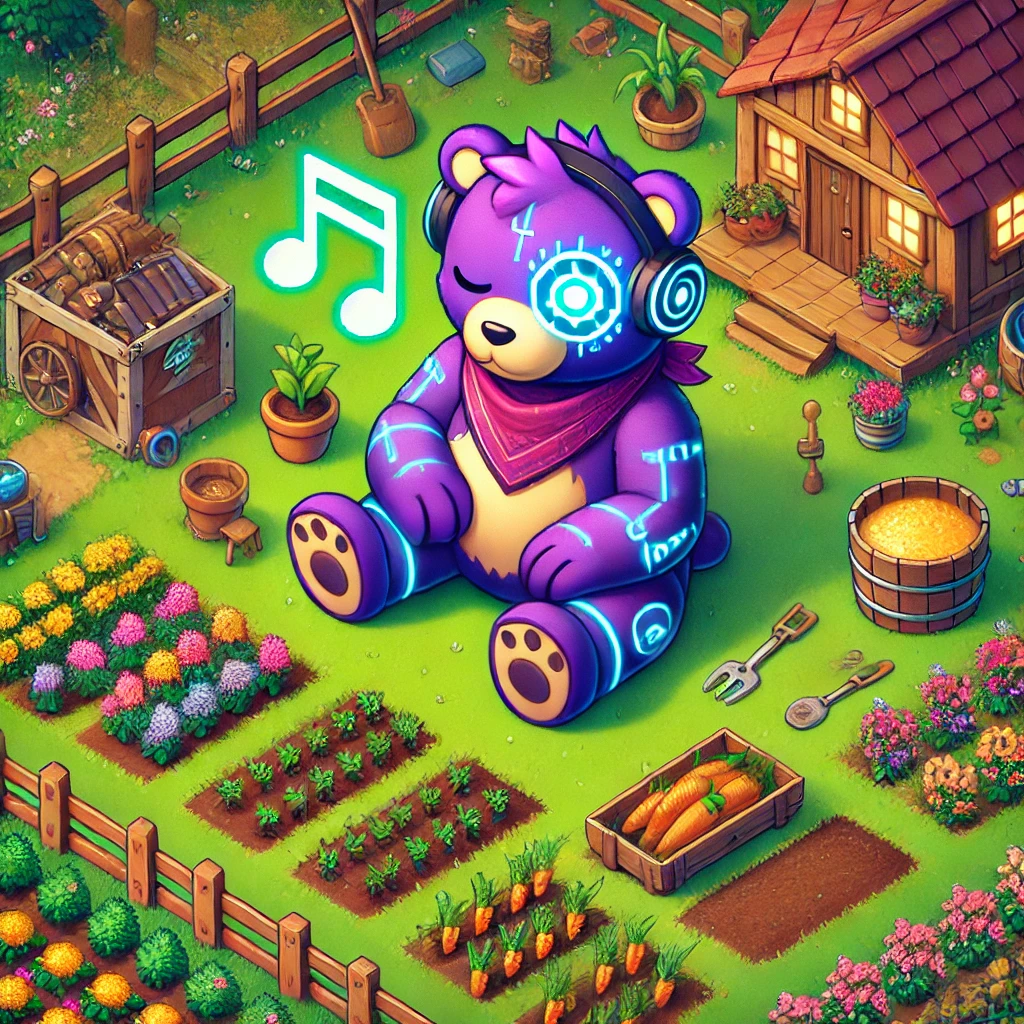
Not all games are about adrenaline and action. Some invite players to unwind, relax, and enjoy a slower pace. The music in these games plays a crucial role in creating a calm, cozy atmosphere.
Examples of Chill Soundtracks:
- Animal Crossing: The hourly tracks adapt to the time of day, creating a soothing, lived-in world.
- Stardew Valley: Eric Barone’s warm and simple melodies perfectly complement the game’s focus on farming and relationships.
- Celeste: Lena Raine’s calming yet emotional score balances the game’s challenging platforming with moments of reflection.
Why It’s Needed:
In a world of high-stress games, cozy soundtracks offer a respite. They make players feel at home, turning even mundane activities into comforting rituals.
Modern Masterpieces: Adaptive and Dynamic Music
Today’s games often feature adaptive soundtracks that react to the player’s actions. This innovation creates a seamless integration of music and gameplay, making the experience feel alive.
Games That Master Adaptive Music:
- The Witcher 3: Its score changes dynamically depending on the region and combat situations, immersing players in Geralt’s world.
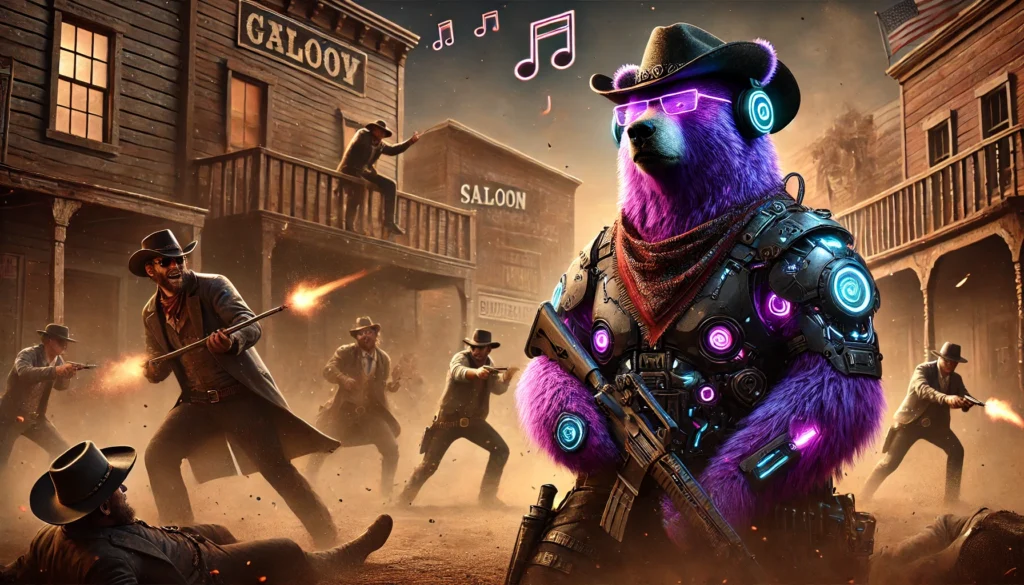
- Red Dead Redemption 2: Woody Jackson’s score adjusts to the player’s choices, creating a personalized Western epic.
- Hollow Knight: Christopher Larkin’s music shifts between exploration, combat, and boss fights, heightening the player’s sense of discovery.
Why It’s the Future:
Dynamic music enhances immersion. It responds to the player in real-time, making every moment feel unique and tailored to the individual experience.
Conclusion: Music as the Heartbeat of Gaming
Video game music has come a long way, evolving from simple loops to complex, adaptive scores that rival the best film compositions. Whether it’s the nostalgic charm of the old 8-bit music, the sweeping grandeur of orchestral scores, or the emotional depth of minimalist melodies, gaming music has the power to transport players into another world. It creates memories, evokes emotions, and becomes an inseparable part of the gaming experience.
As technology advances, the potential for video game music only grows. We are entering an era where soundtracks can adapt seamlessly to player actions, immersing us deeper than ever before. These compositions will continue to inspire, excite, and move us, proving that the right soundtrack isn’t just an accompaniment—it’s the heartbeat of the game, elevating it from good to unforgettable. As gaming evolves, so too will the soundscapes that make every pixel, every story, and every adventure resonate.
Check out more of our blogs here! Or have a listen to some video game music here!
If you want help applying this guide to a PC or upgrade, talk directly with the Glitchtech builders.
Talk to a builder
